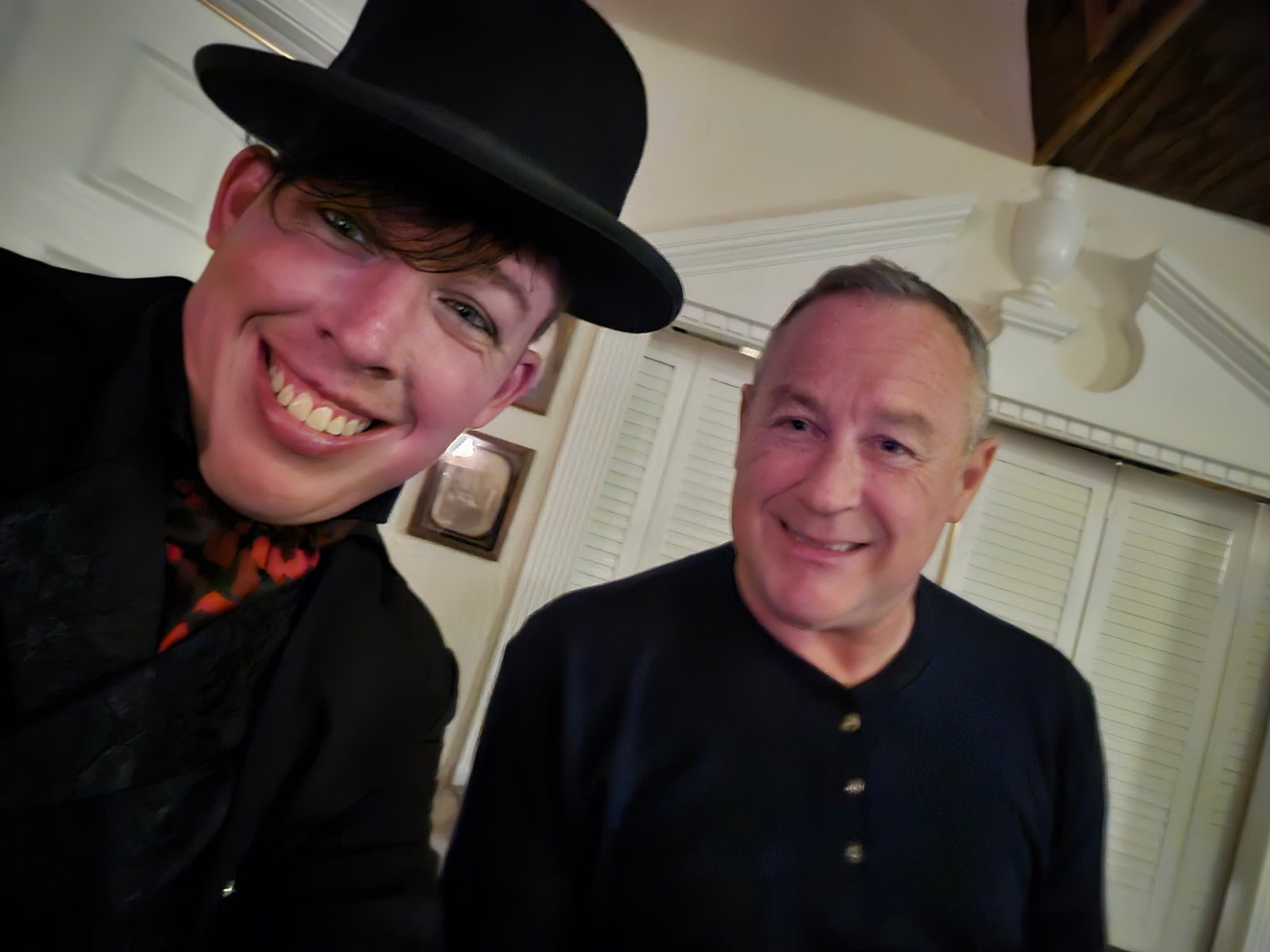
My name is Garrett Hood. My son is also Garrett, but he goes by G. He was born in May of 1991. At the age of four, he was diagnosed with ADHD. By six, Bipolar I and intellectual disability were added to the list. He had his first psychiatric hospitalization when he was four, and between the ages of four and nine, there were nine more psychiatric hospital stays. When G was six years old, he was not meeting his academic milestones, and it was at this time he was placed in learning support. He remained in special education classrooms until he was eighteen years old. His transition to adulthood has been very difficult. At some point between grammar school and high school, G began to realize he was not being offered the same opportunities as his younger brother, Tim. This began a new chapter in his life, where he fought hard to be like his brother and his typical peers, who were moving past him in milestones and achievements.
As G’s father, I can’t describe the joy I felt when he was born. I imagined a life full of all the things a father could hope for his son. G is now in his thirties, and from the time he was a bright, loving, and outgoing toddler to becoming a young man, he has faced many challenges and jumped through many hoops. He has always been open-hearted, caring, and genuine. As a little boy, his smile was contagious. People flocked to him and always wanted to help him. From supports coordinators, teachers, scout leaders, to the MMA sempai, G was always encouraged to do his best, and programs were adjusted to his ability level.
We were lucky in those early years; we found help and resources through friends, teachers, and care providers. We felt encouraged. Although, as G grew, the help seemed to disappear. There weren’t as many supports and resources available for a teen and young adult. We didn’t know what we didn’t know. My wife, Kerry, spent countless hours trying to find programs—especially social ones—available for G. He wanted to reach the same milestones as his brother. He wanted to drive, go to college, and find a job that wasn’t “supported employment.” Researching these options for G was disheartening, overwhelming, and frustrating. There was no guidebook.
Our goal for Horizons to Hope is to be that guidebook. We want to limit the amount of time, energy, and heartache for parents and caregivers seeking to find resources, services, and programs for their loved one. We simply hope parents will find peace and encouragement within Horizons to Hope.