Living with Invisible Disability
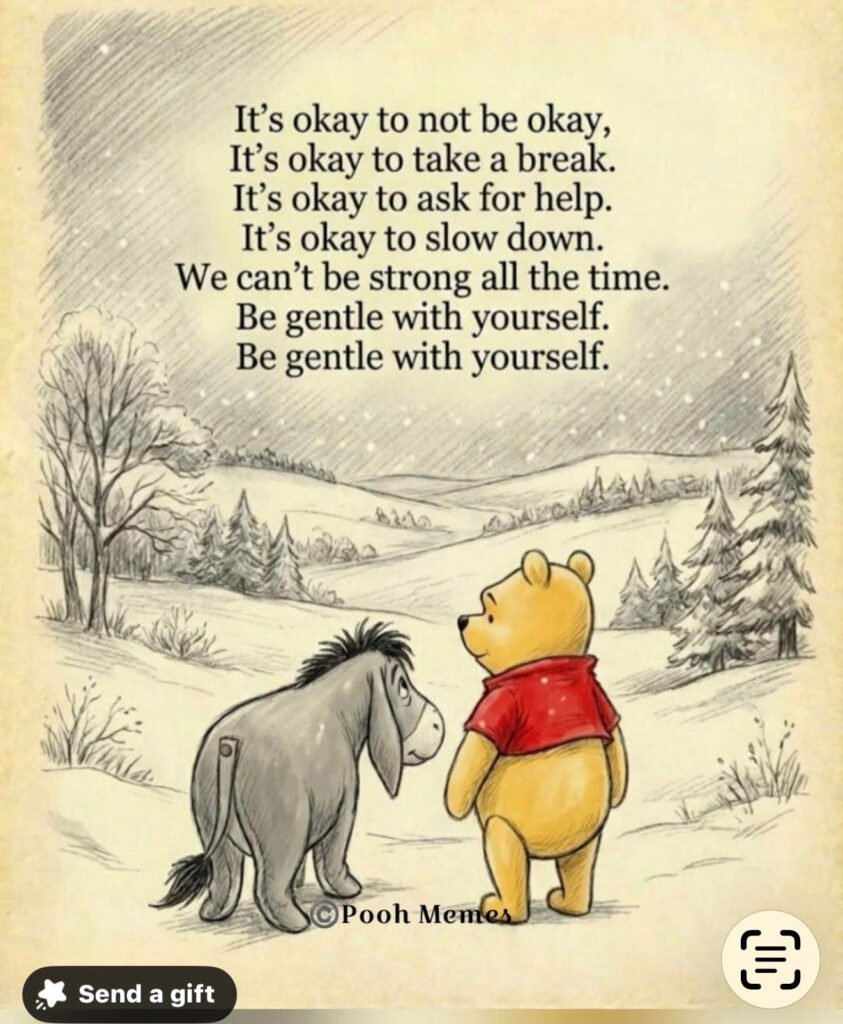
Living with an invisible disability has been one of our son G’s biggest challenges. From the outside, there is nothing that seems different about him. His verbal skills are strong and he is naturally social. Because of this, we often hear well meaning comments like “He looks so normal.” The truth is, he does not fit neatly into any group. He is not typical enough to easily blend in with his peers, yet not disabled enough to fit comfortably with others who have intellectual challenges. As a result, forming lasting and meaningful friendships has been difficult for him. And as parents, watching that struggle is heartbreaking. If you or your child can relate, we would love to hear from you. And if you have found ways to help your child connect or thrive in this gray area, please consider sharing your story on our community blog. Your experience could truly help another family.
Disclaimer
Horizons to Hope provides resources for informational purposes only and does not endorse or recommend any listed provider or service. Users are encouraged to conduct their own research and due diligence before engaging with any resources referenced on this site. Horizons to Hope strives to provide accurate and reliable information; however, we cannot guarantee the completeness or validity of external content. We assume no responsibility for errors, omissions, or the services offered by linked providers.
Living with Invisible Disability
Center for People with Disabilities (CPWD)
Resource: The Unseen: Understanding Invisible Disabilities
Description: This article explores the concept of invisible disabilities—conditions that affect daily functioning but are not outwardly visible. It highlights the challenges individuals face with recognition, stigma, and access to accommodations.
Website: https://cpwd.org/the-unseen-understanding-invisible-disabilities/
Invisible Disability Project (IDP)
Resource: IDP Support Group
Description: IDP is developing a secure, inclusive online support community for people with invisible disabilities. Facilitated by trained leaders who identify as disabled, the group provides a space for shared understanding, empowerment, and discussion on relationships, education, and workplace challenges.
Website: https://www.invisibledisabilityproject.org/support
Invisible Disabilities Association (IDA)
Resource: About IDA
Description: IDA is a nonprofit that raises awareness, provides education, and offers resources for people living with invisible disabilities. It advocates for recognition, accessibility, and inclusion across communities, workplaces, and policy.
Website: https://invisibledisabilities.org/about/aboutida/
Hidden Disabilities Sunflower Program
Resource: Hidden Disabilities Sunflower (U.S.)
Description: An international initiative allowing people with non-visible disabilities to wear a sunflower symbol to discreetly signal they may need additional assistance, patience, or understanding in public spaces such as airports, schools, or stores.
Website: https://hdsunflower.com/us/
National Education Association (NEA)
Resource: Invisible Disabilities
Description: NEA’s page focuses on raising awareness in educational environments about invisible disabilities. It promotes equitable treatment and understanding under disability rights laws (ADA, IDEA, Section 504), emphasizing inclusion and educator training.
Website: https://www.nea.org/invisibledisabilities
ScienceDirect
Resource: Academic Article on Invisible Disabilities
Description: A peer-reviewed research article examining the experiences and barriers faced by individuals with invisible disabilities. It discusses the impact of social attitudes, identity, and disclosure on inclusion and participation in society.
Website: https://www.sciencedirect.com/science/article/abs/pii/S0891422221002663